
How to Build a Meaningful Life | 3 Questions That Matter

For most of my career, I thought people struggled because they didn't know what they wanted to do.
It seemed obvious enough. Someone hated their job, so we talked about different careers. Someone was burned out, so we looked for a better company. Someone felt stuck, so we brainstormed new possibilities. Those conversations were helpful.
But after years of leading teams and coaching people through career transitions, promotions, layoffs, entrepreneurship, and major life decisions, I started noticing something that surprised me. The people sitting across from me rarely had an information problem.
They had a clarity problem.
Most of them were intelligent, capable, hardworking people. They had read the books, listened to the podcasts, talked to mentors, and asked friends for advice. Many had pages of notes listing potential careers or business ideas. Some had accepted jobs they thought were perfect only to discover, six months later, that the same dissatisfaction had quietly followed them there.
The job changed. The feeling didn't. At first I assumed they had simply chosen the wrong opportunity. Now I think something else was happening. I think they were trying to answer one of life's biggest questions in the wrong order.
Most of us begin with What should I do?
It's an understandable place to start. Choosing a career, changing jobs, starting a business, or deciding what's next all feel like decisions about doing. But over time I've become convinced that meaningful lives are almost never built that way. They're built from the inside out.
Long before someone discovers the work they love, they usually develop a clearer understanding of the person who will eventually do that work.
That realization changed how I coach. It also changed how I think about building a meaningful life. Today, almost every coaching conversation eventually returns to three deceptively simple questions. Not because they're clever. Because I've watched them work.
The first question isn't "What should I do?"
It's much quieter than that.
Who am I?
At first glance, that sounds almost philosophical, maybe even impractical. When someone has been laid off, they're usually not asking existential questions. They're trying to figure out how to pay the mortgage. When a college graduate can't decide between three job offers, they're not wondering about identity. They're wondering which offer they should accept.
Yet I've found that the practical questions almost always become easier once the deeper one is explored first.
One of the patterns I see over and over again is how quickly people begin searching for answers outside themselves. They update their résumé before understanding what kind of work actually energizes them. They compare salaries before asking what kind of life they're trying to build. They chase opportunities that look impressive because they haven't yet developed enough confidence in their own definition of success.
None of those decisions are irrational. They're simply incomplete. The problem isn't that people lack ambition. The problem is that ambition without self-understanding can take you remarkably far in the wrong direction.
I've met executives who quietly admitted they dreaded Sunday evenings despite having careers most people would envy. I've worked with founders who built successful companies only to realize they no longer enjoyed the role success had created for them. I've coached professionals who assumed they needed an entirely different career when what they actually needed was a different environment that allowed their strengths to emerge.
Different stories. The same underlying lesson. Success and fulfillment are not the same thing.
That distinction matters because our culture tends to reward visible achievement. Promotions are visible. Income is visible. Awards, titles, followers, and recognition are all easy to measure.
Alignment isn't.
No one congratulates you for finding work that quietly fits who you are. No one hands out awards because your calendar reflects your values or because your work consistently leaves you feeling energized rather than depleted. Yet those quieter realities often determine whether success actually feels meaningful once you achieve it.
That's why I think self-awareness deserves far more attention than it usually receives. Not because it's trendy. Not because personality assessments are interesting.
Because it's difficult to consistently build a life that fits you if you've never spent time understanding the person you're trying to build it for.
For me, self-awareness has never been about putting people into boxes. It's about helping them notice patterns.
When have you consistently done your best work?
Which problems naturally capture your attention?
What kinds of people bring out your best?
What environments leave you feeling more alive at the end of the day instead of more exhausted?
Which accomplishments have actually been meaningful, and which ones simply looked meaningful from the outside?
Those questions rarely produce instant clarity. But together they begin revealing something much more valuable than a career recommendation. They reveal the person who has been there all along.

Where Will I Naturally Flourish?
Once people develop a clearer understanding of themselves, I notice something interesting begins to happen. The conversation naturally shifts away from identity and toward environment. Early in coaching, clients usually ask questions about careers: Should I stay or leave? Should I go back to school? Should I start a business? Those questions matter, but over time they tend to evolve into something both simpler and more profound. The question quietly becomes, Where am I most likely to flourish? I think that's a far more useful place to begin because it recognizes something we often forget: success is never created by the individual alone. It emerges from the relationship between a person and the environment in which they're trying to contribute.
One of the assumptions our culture quietly teaches is that there are universally "good" careers and universally "successful" lives. We celebrate the executive who reaches the C-suite, the entrepreneur who builds a thriving company, the physician, the attorney, the engineer, the investor. None of those paths are inherently better than another, yet it's surprisingly easy to begin measuring our own lives against someone else's definition of success. Social media only amplifies that instinct. We see the promotion, the business acquisition, the book deal, or the beautiful vacation without seeing the trade-offs that accompanied them. It's difficult to compare wisely when we're only looking at the highlights of someone else's life.
I've never had a client tell me they wanted someone else's entire life. They usually want one piece of it. They want someone else's confidence, freedom, income, flexibility, or sense of purpose. But lives don't come apart that neatly. Every meaningful life includes trade-offs, many of which remain invisible from the outside. The entrepreneur often carries uncertainty that employees never experience. The executive who appears successful may quietly miss dinners with family every week. The teacher who deeply loves her work may have accepted financial sacrifices she considers worthwhile. We naturally compare our everyday experience with someone else's carefully edited success, and in doing so we often overlook the fact that fulfillment isn't created by copying another person's path. It's created by understanding why their path works for them and whether those same conditions would actually fit us.
That's one of the reasons I've become increasingly skeptical of career advice that focuses exclusively on what someone should do. In my experience, the better question is almost always where. Where will this person's strengths become assets rather than afterthoughts? Where will their values be reinforced instead of compromised? Where will their curiosity be rewarded? Where will they be surrounded by people who naturally bring out their best thinking? Those questions rarely produce quick answers, but they almost always produce better ones. That’s part of my work as a career coach.
Over the years, I've watched remarkably capable people conclude they weren't good leaders when the real problem was an organization that never trusted them. I've seen deeply creative people convince themselves they lacked discipline because their jobs required almost none of the strengths that came naturally to them. I've also watched people rediscover parts of themselves they thought they'd lost simply by changing teams, finding a healthier manager, or joining an organization whose culture better reflected their values. The person hadn't fundamentally changed. The environment had. Experiences like these have made me much slower to recommend dramatic career changes than I was earlier in my career. Sometimes someone truly needs a different profession. More often, they need an environment where they no longer have to fight against who they are every day.
Perhaps that's why one of my favorite moments in coaching rarely has anything to do with someone discovering the "perfect" career. Instead, it's the quieter realization that they may not need to become someone else after all. Every so often a client will pause in the middle of a conversation and say something like, "I don't think I've been chasing the wrong career. I think I've been trying to become the wrong version of myself." Nothing about their résumé has changed. Their experience hasn't changed. Often their circumstances haven't changed either. What has changed is the lens through which they understand themselves. Those moments stay with me because they remind me that clarity usually arrives gradually, not dramatically.
When people ask me what fulfillment feels like, I don't think of excitement or constant happiness. I think of coherence. I think of a life where your work reflects your strengths, your calendar reflects your priorities, your relationships support your growth, and your daily choices increasingly resemble the person you're trying to become. None of us achieves that perfectly, and I certainly haven't. But I do think meaningful lives are built by gradually bringing those pieces into greater alignment, one decision at a time.

How Do You Build That Life?
If there's one thing I've become less interested in over the years, it's certainty.
When I first started life and career coaching, I felt a quiet pressure to have answers. Clients were looking for direction, and I assumed my job was to help them figure out the right career, the right company, or the right next step. Experience has made me much less confident in those kinds of predictions, but much more confident in something else. I've become convinced that the quality of our lives depends less on finding the perfect path and more on becoming the kind of person who consistently makes thoughtful decisions.
That's an important distinction because it changes what we're trying to accomplish. The goal isn't to eliminate uncertainty before taking action. Life doesn't work that way. New opportunities always arrive with incomplete information, and even the best decisions involve some risk. Waiting until you're completely certain often means waiting forever. What matters is whether you've developed enough self-understanding to make a decision that is thoughtful, intentional, and consistent with the person you're becoming.
That is one of the reasons I encourage clients to treat career decisions less like permanent commitments and more like thoughtful experiments. We often imagine that choosing a new job or starting a business requires absolute confidence, when in reality most meaningful careers are built through a series of small discoveries rather than one dramatic leap. An informational interview might change the way you think about an industry. A volunteer opportunity might reveal strengths you've never had the chance to use. A side project may teach you that you enjoy building something from scratch far more than managing what already exists. None of those experiences provide complete certainty, but each offers another piece of evidence about who you are and where you naturally do your best work.
Looking back, people often tell the story of their lives as though everything hinged on one courageous decision. We remember accepting the job offer, moving across the country, starting the company, or returning to school. Those moments certainly matter, but I suspect we give them more credit than they deserve. More often, those decisions were simply the visible result of dozens of quieter moments that came before them: conversations that challenged old assumptions, books that gave language to something we'd been feeling for years, relationships that encouraged us to think differently, and experiences that gradually reshaped how we understood ourselves. Rarely does a meaningful life change direction in a single afternoon. More often it changes so gradually that we only recognize the turning point when we look back years later.
Perhaps that's why I find the idea of "finding yourself" slightly misleading. It suggests that somewhere out there is a fully formed version of you waiting to be discovered. My experience has been almost the opposite. I think we become ourselves through the decisions we make, the responsibilities we accept, the relationships we invest in, and the experiences that shape us over time. Self-awareness isn't about uncovering a finished identity. It's about paying close enough attention to recognize the person you're gradually becoming.
That perspective has also changed the way I think about fulfillment. Earlier in my career, I imagined fulfillment was something people eventually arrived at, as though enough success or enough clarity would one day produce the feeling that everything had finally fallen into place. I don't believe that anymore. Fulfillment feels less like a destination than a direction. It's the experience of noticing that more and more of your life reflects what matters most to you. Your work begins drawing on your natural strengths. Your relationships become more honest. Your calendar starts reflecting your priorities rather than everyone else's expectations. Nothing is perfect, but the different parts of your life gradually begin pointing in the same direction.
For me, that's what the three questions have always been about. They're not really career questions at all. They are questions about paying attention.
Who are you becoming?
Where are you most likely to contribute, grow, and come alive?
And what is the next small step that would allow you to test that understanding in the real world?
I don't know that we ever finish answering those questions. I hope we don't. They evolve as we do. But I've found that people who continue asking them thoughtfully tend to build lives that feel less like performances and more like honest expressions of who they are.

Where to Go From Here
If you're reading this because you're standing at a crossroads, wondering whether it's time for a career change, questioning work that no longer feels meaningful, or simply sensing that something is out of alignment, I'd encourage you to resist the temptation to rush toward an answer. Start by becoming curious. Spend time understanding the person who will have to live with the decision long after the excitement of making it has passed. In my experience, clarity rarely appears all at once, but it does have a way of growing when we're willing to pay attention.
Those conversations are at the heart of the work we do at A Path That Calls - Life and Career Coaching. Whether someone is beginning their career, navigating a career transition, leading a growing organization, or simply trying to build a life that feels more authentic, we always begin in the same place—not with the next job, but with the person making the decision. The destination matters, of course. But the quality of the journey almost always depends on understanding who is walking the path.

Ready to Transform Your Life? Start With a Free Consultation
The most successful people don't wait for perfect conditions—they take action when they recognize an opportunity. If you've read this far, you're already considering whether coaching might be the catalyst you need to reach your next level of success and fulfillment.
Take the first step today by scheduling a free 60-minute consultation call with coach Jeff.
This is a no obligation call to see if coaching is right for you! Your future self will thank you for taking this crucial step today.
Frequently Asked Questions
What does a career coach do?
A career coach helps people make confident decisions about their work by providing clarity, strategy, and accountability. At A Path That Calls, career coaching begins with understanding who you are—your strengths, values, personality, interests, motivations, and ideal work environments. From there, we explore career paths that genuinely fit you before building a practical plan to help you move forward with confidence.
How do I know if I need a career coach?
Many people seek career coaching when they feel stuck, burned out, unfulfilled, or uncertain about what's next. Others come after a layoff, promotion, major life transition, or simply because their work no longer feels meaningful. If you've been asking yourself, "What should I do with my career?" or "Is this really the life I want?" career coaching can help you gain the clarity needed to move forward intentionally.
Is career coaching worth it?
Career coaching can save years of frustration by helping you make thoughtful decisions before making major career changes. Rather than relying on guesswork, online quizzes, or outside opinions, coaching provides a structured process to understand yourself, validate career options, and confidently pursue work that aligns with who you are. Many clients find that one aligned decision can influence their happiness, finances, relationships, and overall quality of life for years.
How do I choose the right career?
The best career isn't simply the one that pays the most or looks impressive on paper. It's the one that aligns with your natural strengths, values, interests, personality, and the environments where you'll do your best work. That's why our coaching process begins with self-awareness before exploring career possibilities. Once you understand who you are, choosing what to do becomes significantly easier.
What makes a career meaningful?
Meaningful work looks different for everyone. For some, it's helping others. For others, it's solving complex problems, building businesses, creating beautiful things, or leading teams. A meaningful career isn't defined by someone else's expectations—it's created when your work reflects who you are, what you value, and where you're naturally able to contribute your best.
Can career coaching help after a layoff?
Absolutely. In fact, many people discover their best opportunities after an unexpected career transition. A layoff can become an opportunity to step back, reassess what's truly important, and intentionally build a career that's more aligned than the one you left. Rather than rushing into the next job, career coaching helps you understand yourself, explore possibilities, and move forward with greater confidence.
What's the difference between career coaching and life coaching?
Career coaching focuses specifically on work, leadership, career transitions, professional fulfillment, and helping people make confident career decisions. Life coaching often addresses broader personal goals and life challenges. Because work influences nearly every aspect of life, our coaching naturally explores both—but always through the lens of building a career and life that fit who you are.
How long does career coaching usually take?
Every client is different, but meaningful career change rarely happens in a single conversation. Our coaching process is designed to move through three stages: discovering who you are, exploring career possibilities through real-world evidence, and building an intentional plan forward. This approach helps clients create lasting clarity rather than temporary motivation.
Do you offer career coaching in Phoenix and Scottsdale?
Yes. We work with professionals throughout Phoenix, Scottsdale, Paradise Valley, Arcadia, North Phoenix, and the surrounding communities. Coaching is available both in person and virtually, allowing clients throughout Arizona and across the country to receive personalized guidance.
Why do so many successful people still feel unfulfilled at work?
Success and fulfillment aren't the same thing. Many high achievers discover they've built careers based on expectations, prestige, or financial goals without first asking whether those paths truly fit who they are. Over time, that disconnect often leads to burnout or a sense that something is missing. One of the most rewarding parts of career coaching is helping people reconnect their work with their strengths, values, and authentic definition of success.
What happens during your career coaching process?
Our coaching follows a three-stage framework designed to create lasting clarity:
Discover: Understand who you are through assessments, reflection, and identifying your strengths, values, interests, motivations, and ideal work environments.
Explore: Test potential career paths through conversations, experiments, networking, and real-world experiences that build evidence—not assumptions.
Build: Create a professional brand, refine your résumé and LinkedIn profile, strengthen interviewing and networking skills, and develop a practical plan to confidently pursue your next opportunity.
Why choose A Path That Calls - Life and Career Coaching?
Many coaching programs begin by asking, "What do you want to do?"
We begin with a different question:
Who are you?
Because after years of coaching professionals, executives, entrepreneurs, and young adults through career transitions, I've found that most people don't have an information problem—they have a clarity problem.
Once you understand who you are, where you'll naturally flourish becomes much easier to see. And when those two pieces come together, building a meaningful career becomes far more intentional.

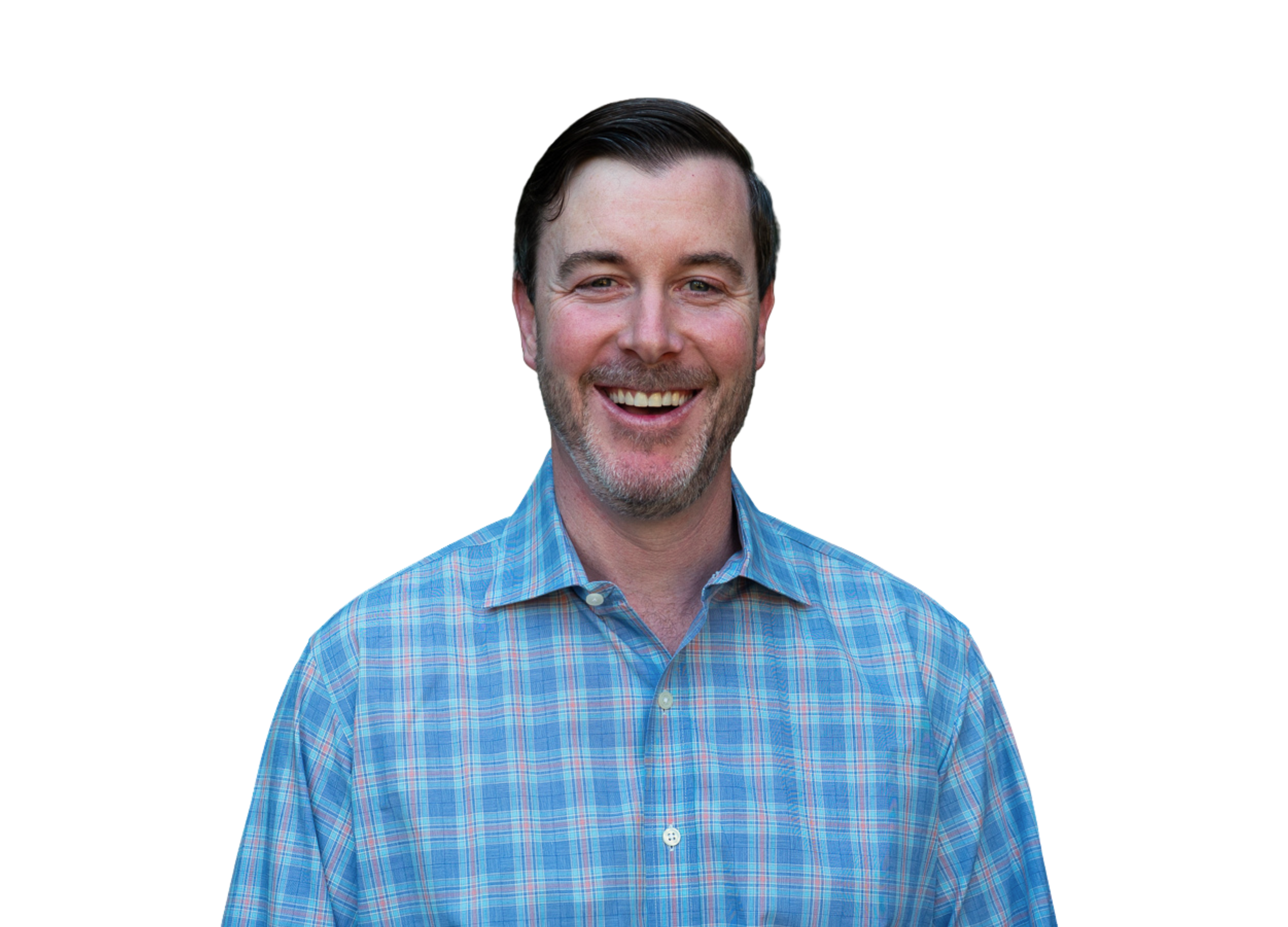
I’m Jeff Rothenberg, a personal growth and career coach helping people turn uncertainty into confidence and clarity. Whether you’re rebuilding after change, exploring your next career move, or simply ready to grow, I’ll help you create momentum that lasts.
