
The Job Market Hit a Wall — Why Phoenix Professionals Can't Afford to Stay Stuck

The job market quietly shifted in 2025, leaving many Phoenix and Scottsdale professionals in a state of "quiet distress." Here's what changed, why playing it safe is actually risky, and how to find clarity right now.
Late in 2025, I started hearing the same sentence in almost every discovery call:
"I know I should feel lucky to have a job... but I can't do this for five more years."
It wasn't panic.
It wasn't mass layoffs.
It was something quieter—and more corrosive.
The professionals reaching out—from Biltmore financial advisors to Scottsdale healthcare leaders to Intel engineers in Chandler—weren't getting fired in droves. Instead, hiring froze. Raises vanished. Promotions stalled. Opportunities that once felt plentiful quietly evaporated. And perhaps most dangerously, people stopped leaving jobs they'd outgrown—not because they were fulfilled, but because they were terrified to move.
When The Wall Street Journal described 2025 as "the year the job market hit a wall," it confirmed what I'd been witnessing across the Valley as a life and career coach in Phoenix.
The market didn't collapse.
But it changed.
And staying still suddenly became riskier than most people realize.
The "Quiet Distress" of the Current Market
Throughout 2025, unemployment ticked up slowly, wage growth cooled, and companies adopted a ruthless "wait and see" approach. Many reduced headcount without announcing layoffs—they simply stopped backfilling roles and quietly redistributed work to fewer people.
This creates a specific kind of emotional weight for high-achievers—what I call the Three Traps:
The Guilt Trap:
"I should feel lucky just to have a job… so why do I feel so miserable?"
The Timing Trap:
“I know I need a change, but this feels like the worst possible time to jump."
The Effort Trap:
”I did everything I was supposed to do—degrees, extra hours, loyalty—and the ladder has disappeared."
If this is how you're feeling, please hear this clearly:
This is not a personal failure.
It's a structural shift in how work is evolving.
You're not broken. You're outgrowing a role—or you're competing in a category where you'll never win, no matter how hard you work.

Why "Playing It Safe" Is Actually the Riskiest Move
In uncertain times, the instinct is to hunker down. But in the current landscape of Phoenix and Scottsdale, staying stagnant is often riskier than moving.
Here's why:
Staying in a role where you're burning out or stagnating degrades your most valuable asset: your confidence.
Phoenix has exploded over the last decade. We've seen an influx of new residents, tech expansion, healthcare growth across the Valley—from Tempe to Chandler to Old Town Scottsdale. However, with remote work normalizing, you're no longer just competing with people in Maricopa County. You're competing with talent from every high-cost city in the nation willing to take Phoenix salaries.
Layer in rising housing costs and slower wage growth, and it's no surprise that professionals feel trapped between gratitude and exhaustion.
As a career transition coach in Scottsdale, I often see professionals wait until they're completely empty before seeking help. They wait for the "perfect time" to pivot.
But the market isn't going to return to the way it was in 2021.
The "perfect time" is when you decide to take control.

Entry-Level Jobs Aren't What They Used to Be
One of the most concerning trends I've seen—especially for younger professionals—is the disappearance of traditional entry-level roles.
Automation and AI are reshaping how companies operate. Tasks that once trained new workers are now handled by software, outsourced, or folded into fewer, more senior positions.
The result?
Recent graduates are facing higher unemployment not because they lack talent, but because the ladder they were told to climb has been quietly removed.
Early career experience isn't optional—it's foundational.
When that experience is delayed, the ripple effects can last for years.
This isn't a motivation problem.
It's a market reality.

The Two Groups Hit the Hardest
1. The Mid-Career Professional
You have the experience, but the role no longer fits who you are. Maybe automation is creeping into your industry. Maybe you've realized the corporate ladder is leaning against the wrong wall. Maybe you're just exhausted from competing instead of creating.
The question you need to ask isn't:
"What job should I get?"
But instead:
”Are the skills I'm using today still going to matter five or ten years from now—and do they actually reflect who I am?"
Sustainable careers today tend to:
Align with natural strengths, not just credentials
Adapt across industries rather than locking you into one role
Reduce burnout instead of quietly fueling it
Burnout isn't just exhaustion.
More often, it's misalignment in a world that's moving faster than we are.
And here's the truth no one wants to hear: Your skills are transferable. You just need the right narrative and positioning.
2. The New Graduate
I work with many new graduates who feel discouraged before their careers have even begun.
If you're struggling to find work in your field, please know this:
The rules changed while you were in school.
Many degrees were designed for job markets that no longer exist in the same form. You aren't "behind" because you lack talent. You're struggling because the traditional entry points have been removed.
The graduates who are finding traction aren't asking:
"What job matches my major?"
They're asking:
"What problems can I solve—and where are those problems growing?"
You need a strategy that relies on strengths and self-awareness, not just resumes.

Making the Decision: Is Coaching Right for You?
The ideal coaching client is someone who is mentally healthy, motivated to change, and ready to take responsibility for their results. Coaching works best for individuals who have specific goals, are willing to be challenged, and can commit to consistent action over time.
You might be ready for coaching if you're experiencing:
Career stagnation despite your talent and effort
Relationship patterns that aren't serving you
Difficulty creating work-life balance or managing stress
Unclear direction about your next life chapter or major transitions
Challenges with leadership, communication, or personal effectiveness
Financial habits that don't align with your goals
A sense that you're capable of more but don't know how to get there
Desire for greater life satisfaction and fulfillment
The key is recognizing that coaching is an investment in your future self across all life dimensions, not a solution for current problems that require therapeutic intervention.

Clarity Is the New Currency
In a tight market, generalists get overlooked.
Specialists with self-awareness get hired.
The people who ultimately thrive in this "walled" market are the ones who:
Stop frantically applying to everything and start intentionally aligning with their strengths
Clarify what they do best (not what they've been told they're good at)
Understand where the market is actually heading
Build adaptable career narratives based on strengths, not titles
Make thoughtful pivots instead of waiting for permission
Healthcare and education continue to grow in Phoenix. Technology is reshaping nearly every field. Roles that blend human insight, leadership, systems thinking, and adaptability are becoming more valuable—not less.
Waiting for certainty means you'll always be reacting.
Moving with intention means you're positioning.

Getting Unstuck Isn't About Reinvention—It's About Repositioning
I want to be very clear about this:
You don't need to blow up your life.
You don't need another degree.
You don't need to hustle harder.
What you need is:
Clarity about what drains you and what energizes you
Awareness of where you're competing instead of creating
A bridge—not a leap—from where you are to what's next
That's the work I do every day as a career transition coach serving Scottsdale and Phoenix—helping people move forward with intention, not panic. We assess your wiring, stabilize your foundation, strategize positioning, and execute with accountability.
A Final Word: Your Discomfort Is Feedback, Not Failure
If your career feels stalled…
If your degree isn't opening doors…
If your job feels "fine" but deeply unsustainable…
That discomfort isn't failure.
It's feedback.
That feeling of being stuck? It isn't a sign to stop. It's your intuition telling you that the current path has run its course.
The job market has changed. And while this moment may feel uncomfortable, it may also be the clearest invitation you'll get to build a career that actually lasts.

If You're Ready to Stop Waiting for the Market to Fix Itself
If something in this post resonated with you, I want you to know you're not alone—and you don't have to figure this out by yourself.
Feeling stuck, burned out, or uncertain about your career doesn't mean you've failed. More often, it means you've outgrown where you are and haven't yet been given the space to explore what's next.
As a life and career coach in Phoenix, I help people slow down, reconnect with their strengths, and make thoughtful, sustainable career shifts—without panic, pressure, or pretending to be someone they're not.
I won't tell you what you want to hear. I'll tell you what you need to hear. And I'll help you build a career that reflects who you actually are, not who you think you should be.
If you're curious about what your next chapter could look like, Take the first step today by scheduling a free 60-minute consultation call with coach Jeff.
I'd be honored to walk alongside you as you listen for the path that's calling.
This is a no obligation call to see if coaching is right for you! Your future self will thank you for taking this crucial step today.
Frequently Asked Questions:
Why does the job market feel so hard in Phoenix right now even if unemployment is still low?
While headline unemployment numbers in Phoenix and Scottsdale may look stable, the reality underneath has changed. Throughout 2025, many companies froze hiring, paused promotions, and quietly redistributed work instead of announcing layoffs. For professionals, this creates a feeling of being stuck rather than unemployed. As a life and career coach in Phoenix, I see this “quiet distress” often—people are still employed, but growth, mobility, and momentum have stalled.
Is it risky to change careers during an uncertain job market?
It can feel risky, but staying stuck is often riskier. In the current Phoenix and Scottsdale job market, remaining in a role that drains your confidence or no longer builds relevant skills can quietly erode your long-term prospects. A thoughtful career transition isn’t about impulsively quitting—it’s about repositioning your strengths so you’re prepared for where the market is going, not where it used to be. This is exactly the kind of work a career transition coach in Scottsdale can help guide.
I feel guilty for wanting a career change when I “should be grateful.” Is that normal?
Yes—and it’s extremely common. Many high-achieving professionals feel conflicted: grateful to be employed, yet deeply unfulfilled. This guilt often keeps people stuck longer than they should be. Wanting growth, alignment, or sustainability doesn’t mean you’re ungrateful—it means your career has evolved. As a life and career coach in Phoenix, I help clients reframe this guilt as useful feedback rather than something to suppress.
Why are entry-level jobs harder to find for new graduates in Phoenix and Scottsdale?
Traditional entry-level roles have been shrinking due to automation, AI, and leaner business models. Tasks that once trained early-career professionals are now automated, outsourced, or bundled into senior roles. This leaves many graduates feeling behind, even when they’re capable and motivated. The key isn’t applying harder—it’s learning how to position strengths, solve real problems, and build experience strategically in a changing market.
Do I need another degree or certification to stay competitive in today’s job market?
In most cases, no. Many professionals already have more credentials than they need. What’s usually missing is clarity: understanding your strengths, how they transfer across industries, and how to communicate your value in a crowded market. A career transition coach in Scottsdale focuses less on collecting credentials and more on helping you reposition what you already have in a way that aligns with current demand.
How can a life and career coach in Phoenix help me get unstuck right now?
A skilled life and career coach doesn’t just help you find a new job—they help you make sense of where you are, what’s no longer working, and what direction actually fits. Through structured assessments, honest reflection, and strategic planning, coaching helps you move forward with intention instead of fear. Especially in a tight market, clarity becomes your biggest advantage.

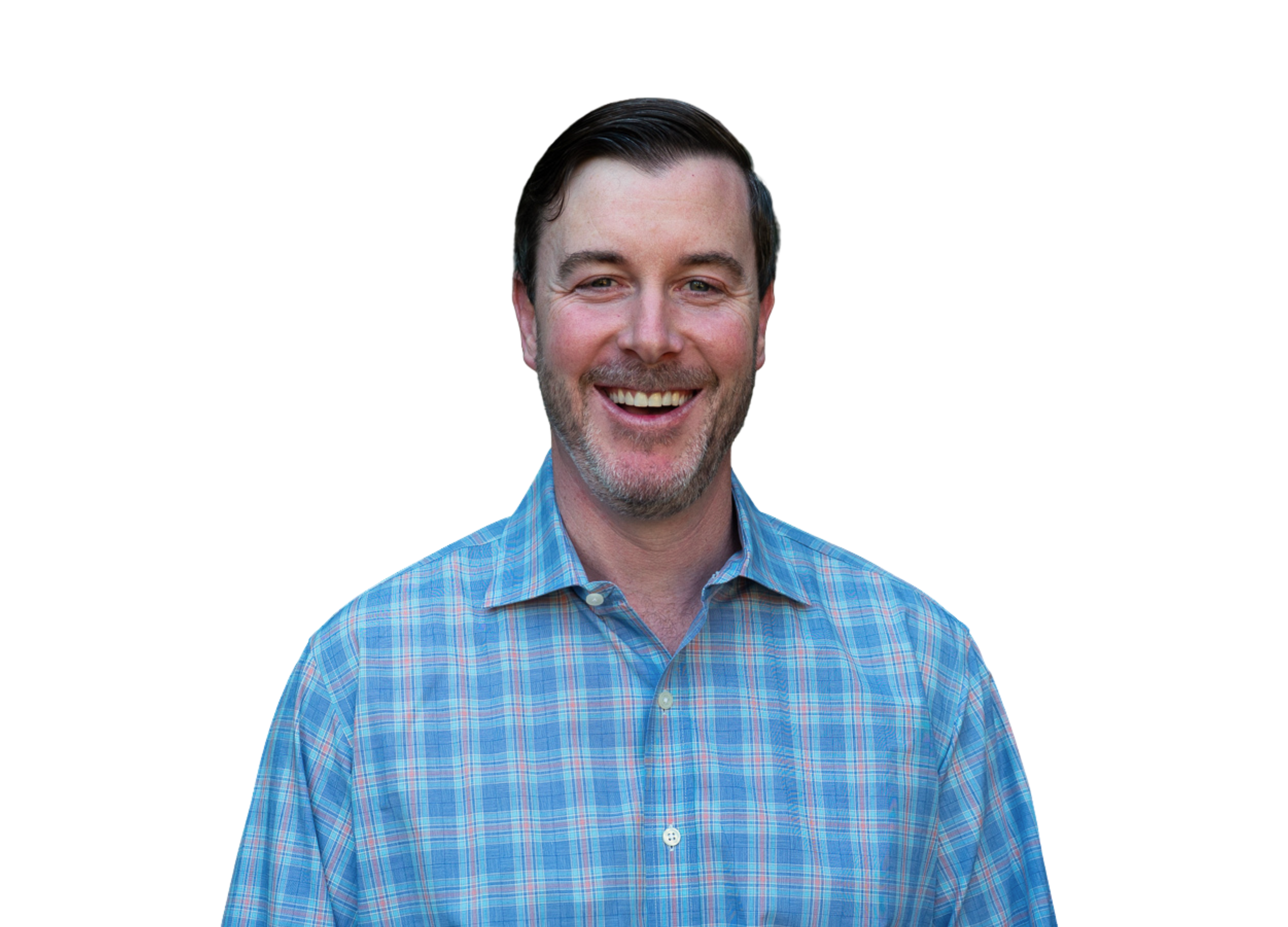
I’m Jeff Rothenberg, a personal growth and career coach helping people turn uncertainty into confidence and clarity. Whether you’re rebuilding after change, exploring your next career move, or simply ready to grow, I’ll help you create momentum that lasts.
